


Imagine a fishing boat sitting in the middle of a desert. No water around it. Just sand stretching into the distance.
Your first thought would probably be: how did someone get a boat out here?
They didn’t.
The water left.
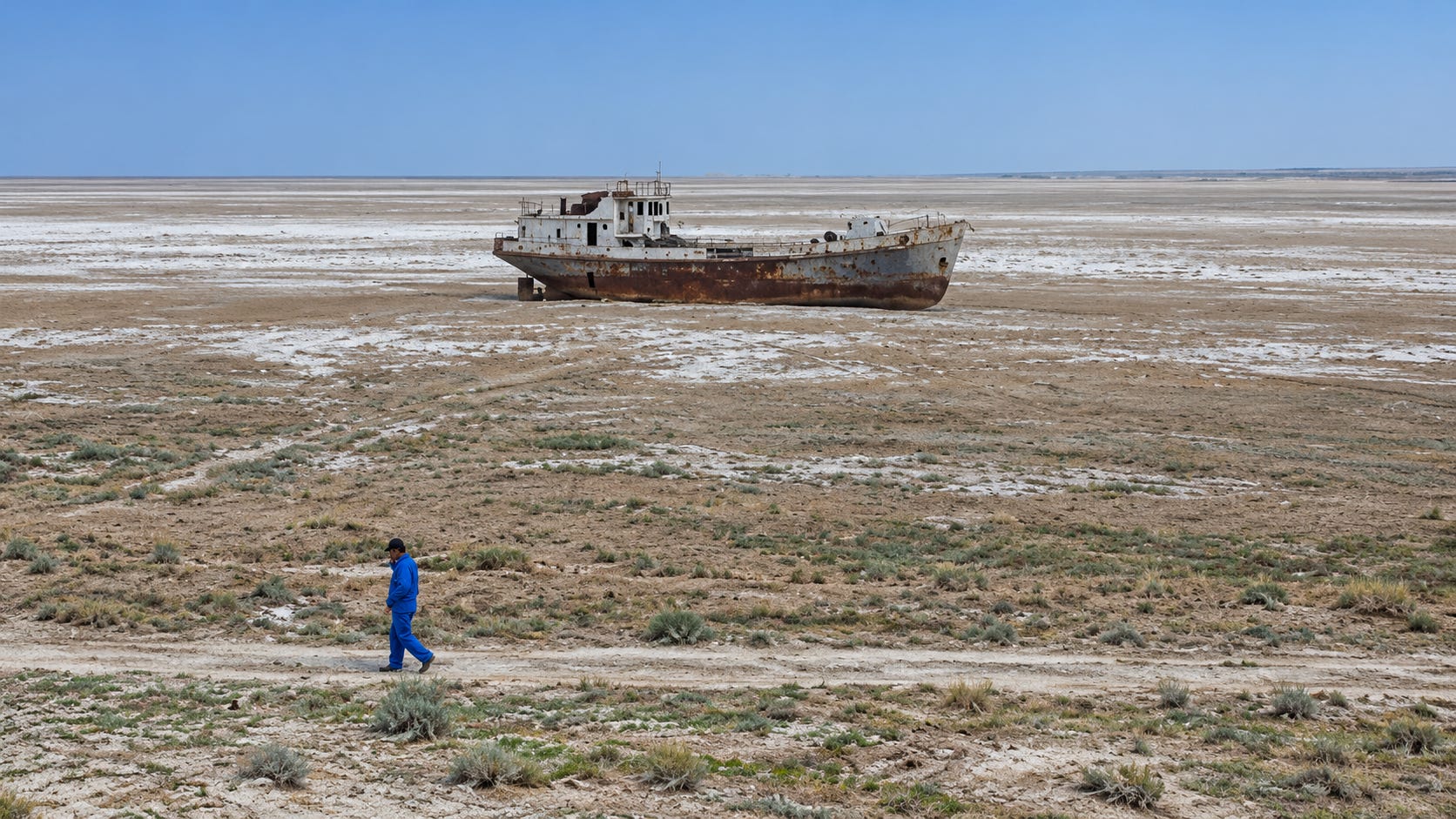
The Aral Sea was once the fourth-largest lake in the world.
Then, starting in the 1960s, the Soviet Union diverted the rivers feeding it to irrigate cotton and other crops.
Over the following decades, much of the sea disappeared.
Fishing communities lost their livelihoods, and the exposed seabed became a source of dust contaminated with salt and agricultural chemicals.
We created a desert where people used to catch fish.
Kazakhstan decided to try saving the smaller northern basin.
In 2005, it completed the Kok-Aral Dam, supported by World Bank financing.
The idea was straightforward: retain water from the Syr Darya in the north, instead of letting it drain into the much larger, shrinking southern basin.
And the response was surprisingly quick.
NASA’s satellite images showed substantial recovery between 2005 and 2007, with much of that change happening in the first year after the dam was completed.
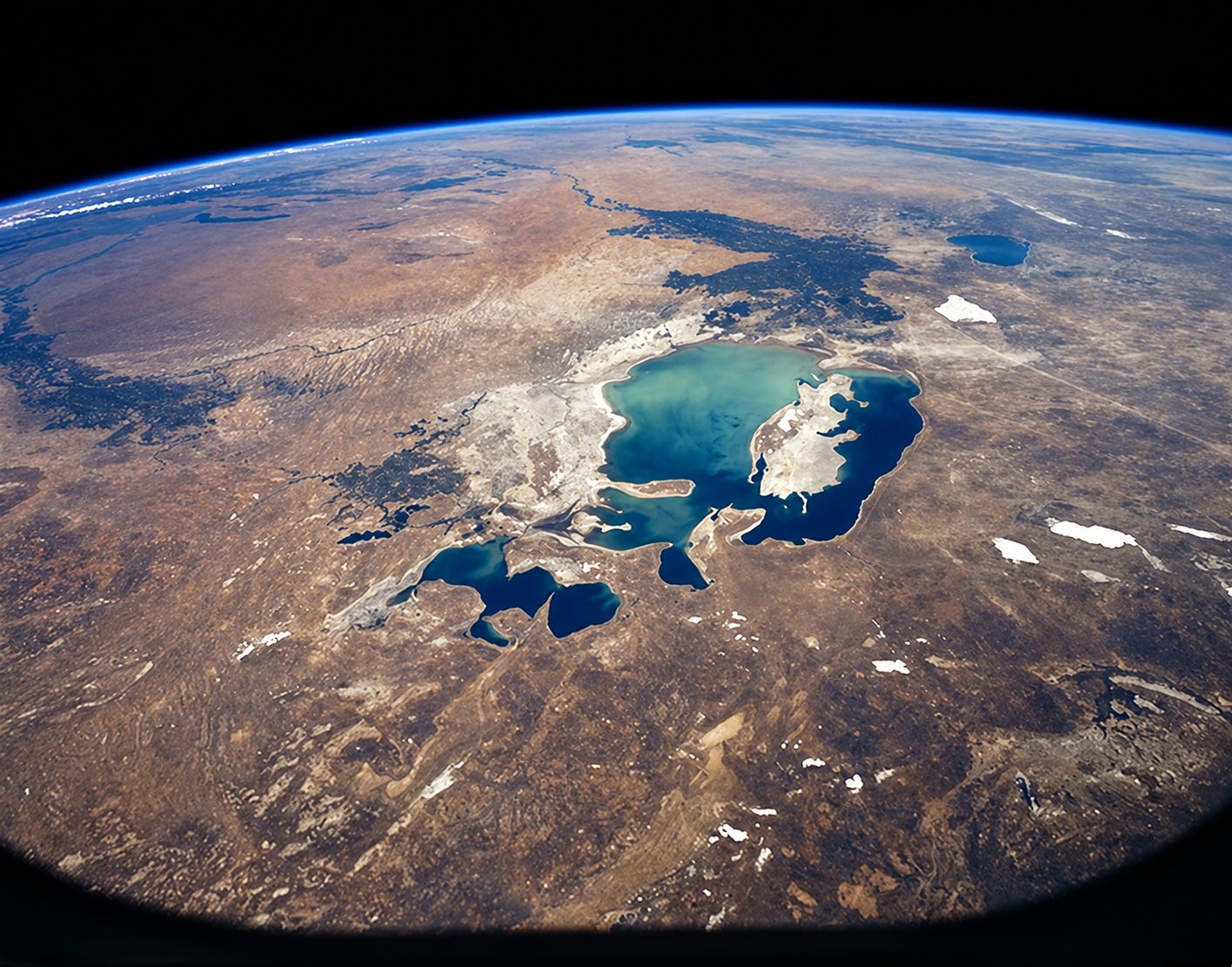
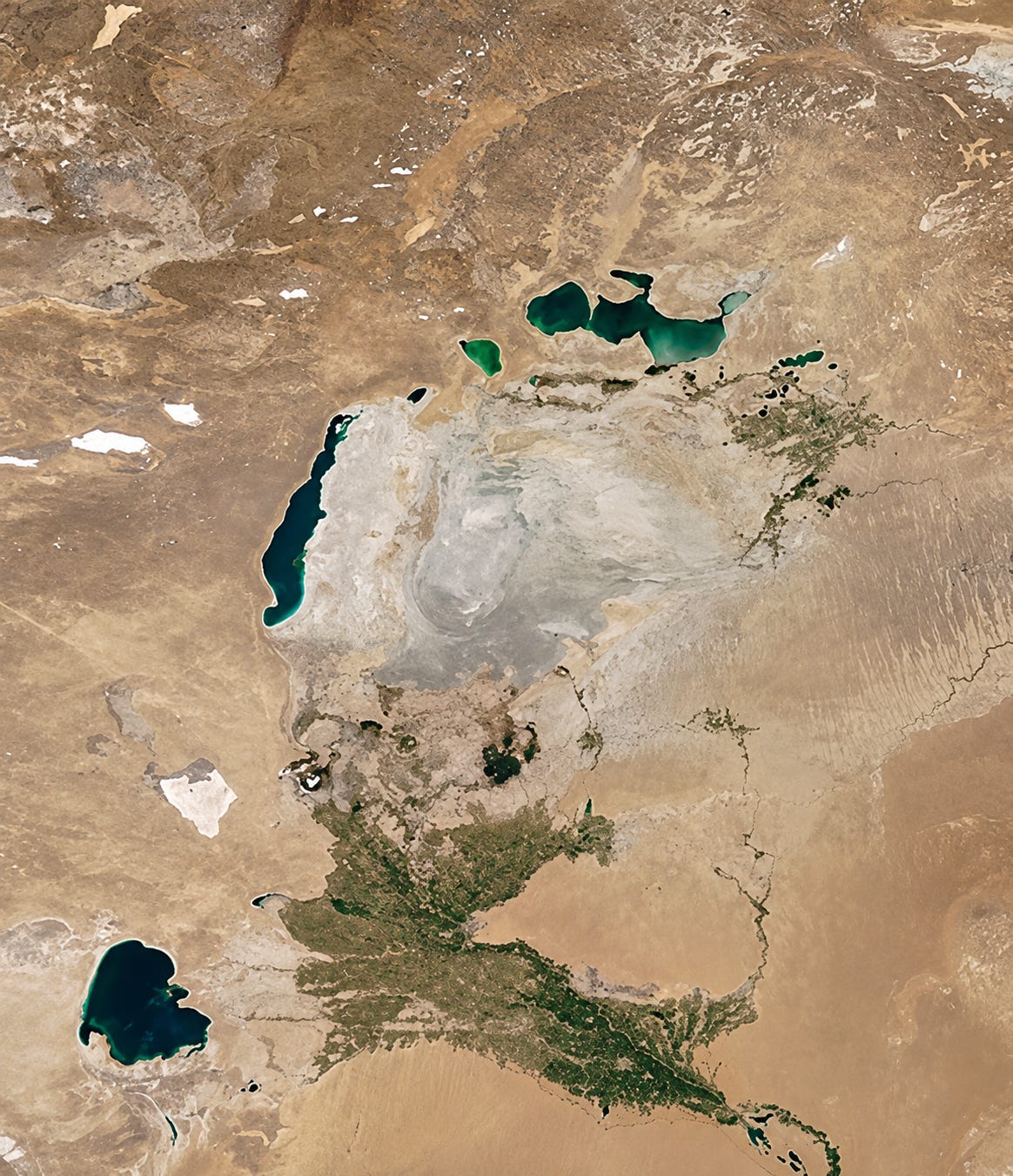
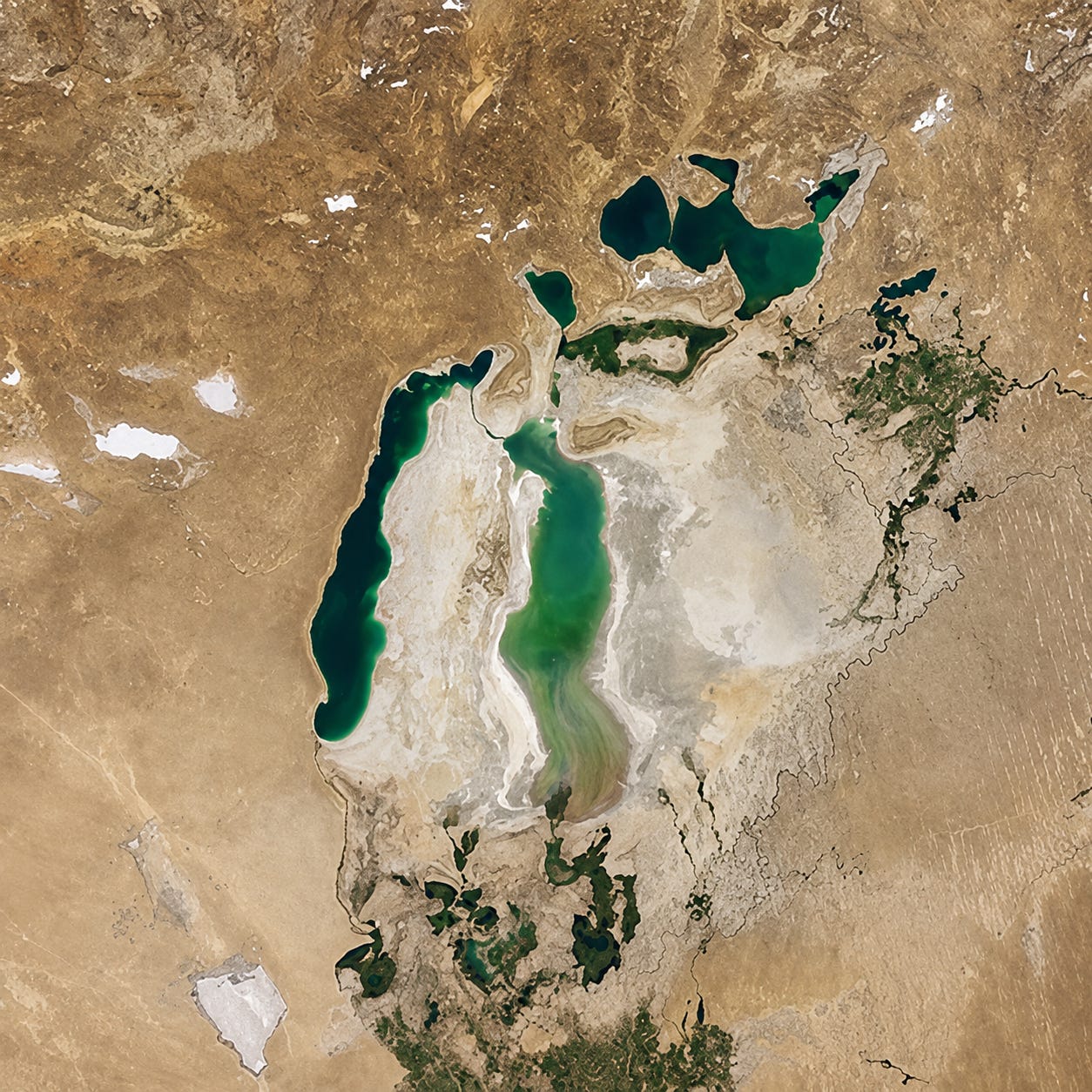
Give a damaged ecosystem some of what it needs, and sometimes it responds faster than you expect.
The fishing numbers make this tangible. According to the World Bank, catches increased from around 50 tonnes in 2004 to roughly 2,000 tonnes in 2007. Fish processing plants opened, and exports resumed in 2008. This was already becoming a livelihood story, alongside an environmental one.
The recovery has continued, although it deserves more careful reporting than some of the headlines suggest.
Kazakhstan’s water ministry published a dated update in August 2026: the North Aral Sea held 23.4 billion cubic metres of water, compared with 18.9 billion in 2022. That works out to roughly a 24% increase.
That’s a meaningful improvement. We don’t need to inflate it.
Working in waste, I keep coming back to this part. You can build the facility, install the machinery, and announce the capacity. But the result still depends on what reaches the gate, who operates the system, and whether everyone involved keeps doing their part.
The Aral Sea makes that painfully visible. Decisions upstream helped empty it. Different decisions are helping refill one part of it.
Kazakhstan’s next restoration phase aims to expand the dam and eventually increase the northern basin’s volume to 34 billion cubic metres. That remains a target, with infrastructure and water management work still ahead.
I find this hopeful precisely because it has taken twenty years. We can see what was built, what changed, and what still needs to happen.
There are people fishing again in water that could have been allowed to disappear.
That’s worth paying attention to.
Quick Hits, everything else from today’s digest
Waste & Circularity
An Indian e-waste recycler just tripled its own capacity. Recyclekaro expanded to 24,000 tonnes a year, adding formal recovery while researchers warn India’s e-waste and battery recycling framework is falling behind. Source ↗
Nigeria made plastic makers responsible for their own packaging, cradle to grave. New 2026 federal rules put manufacturers and importers on the hook for collection and disposal, with NESREA enforcing. Source ↗
Energy Transition
India installed a record 26 GW of solar and 3 GW of wind in just the first half of 2026, building on a record-setting first quarter, as falling module prices push the country years ahead of its own targets. Source ↗
Toyota signed on to buy hydrogen made from volcanic steam. Indonesia’s Pertamina Geothermal is building a green hydrogen plant at its Ulubelu field that skips the fossil-heavy grid entirely, targeting production by late 2026. Source ↗
Climate & Biodiversity
Climate change made Canada’s record 2026 wildfire season two to six times more likely. World Weather Attribution found fires once expected every 50 years now recur every 2 to 15 years; Indigenous communities made up 42% of evacuees despite being 5% of the population. Source ↗
Materials, Packaging & Building
India throws away roughly 7.07 million tonnes of textile waste a year. A new Ministry of Textiles report prices the recycling opportunity at $3.5 billion by 2030 and 100,000 green jobs, with Panipat already handling a large share of it. Source ↗
Mobility & EVs
NIO completed its 100 millionth battery swap in February, a milestone that took 2,819 days to reach but only 100 days to grow into from swap number 90 million; it now averages over 100,000 swaps a day. CATL is racing to catch up with 2,500-plus planned stations. Source ↗
Policy, Finance & Carbon Markets
490 Indian companies just filed their first legally binding carbon numbers. India’s Carbon Credit Trading Scheme moved from paper to enforcement across nine sectors, with India’s steel and aluminium exports to the EU already down 24.4% before Europe’s carbon border tax billed anyone. Source ↗
Cleanups & Social Good
Delhi mobilized more than 15,000 volunteers to clean 28 ghats along the Yamuna in a single coordinated drive, hauling out 116.6 tonnes of waste under the “Maa Yamuna Tat Swachhta Abhiyan” campaign. Source ↗